

Peptide Vials
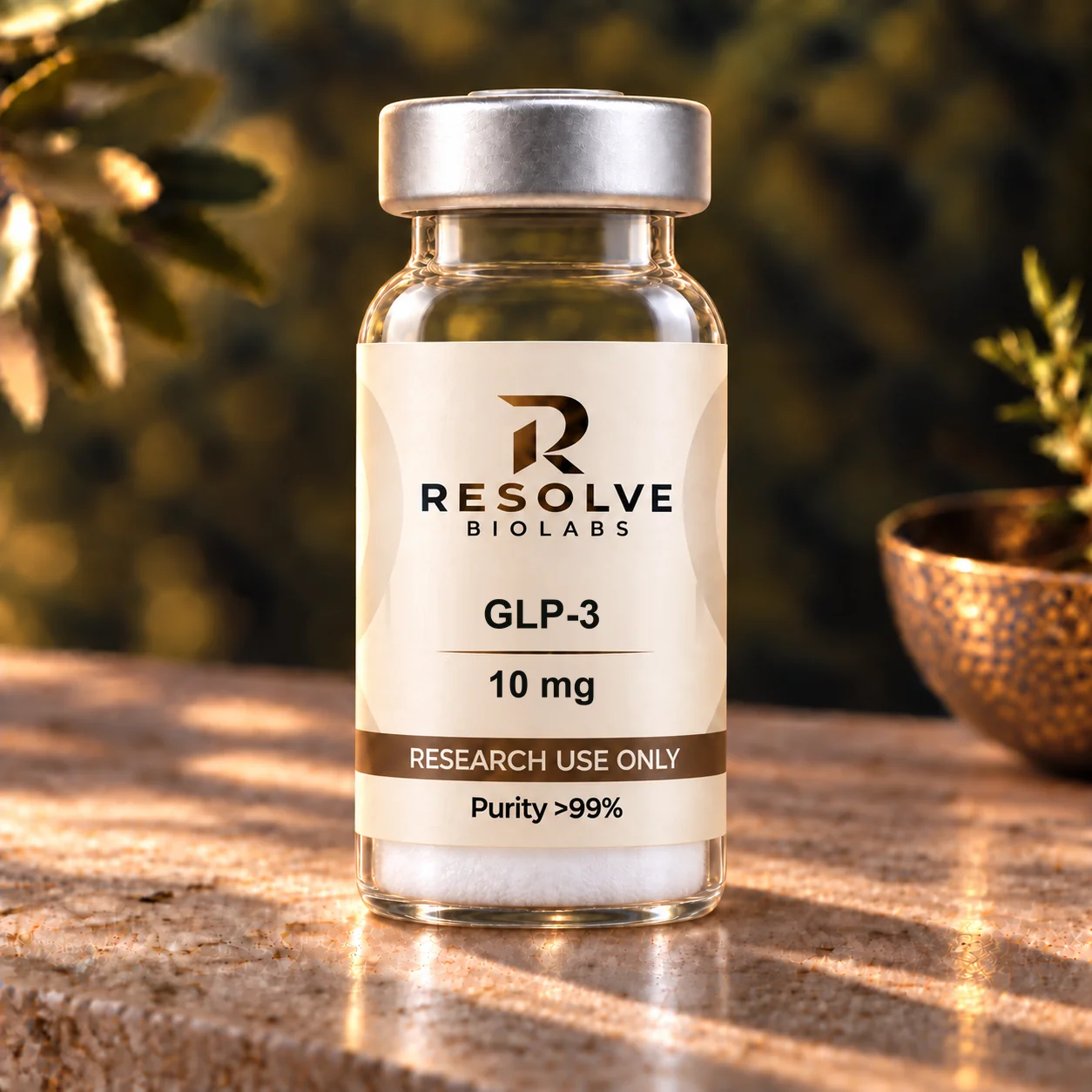
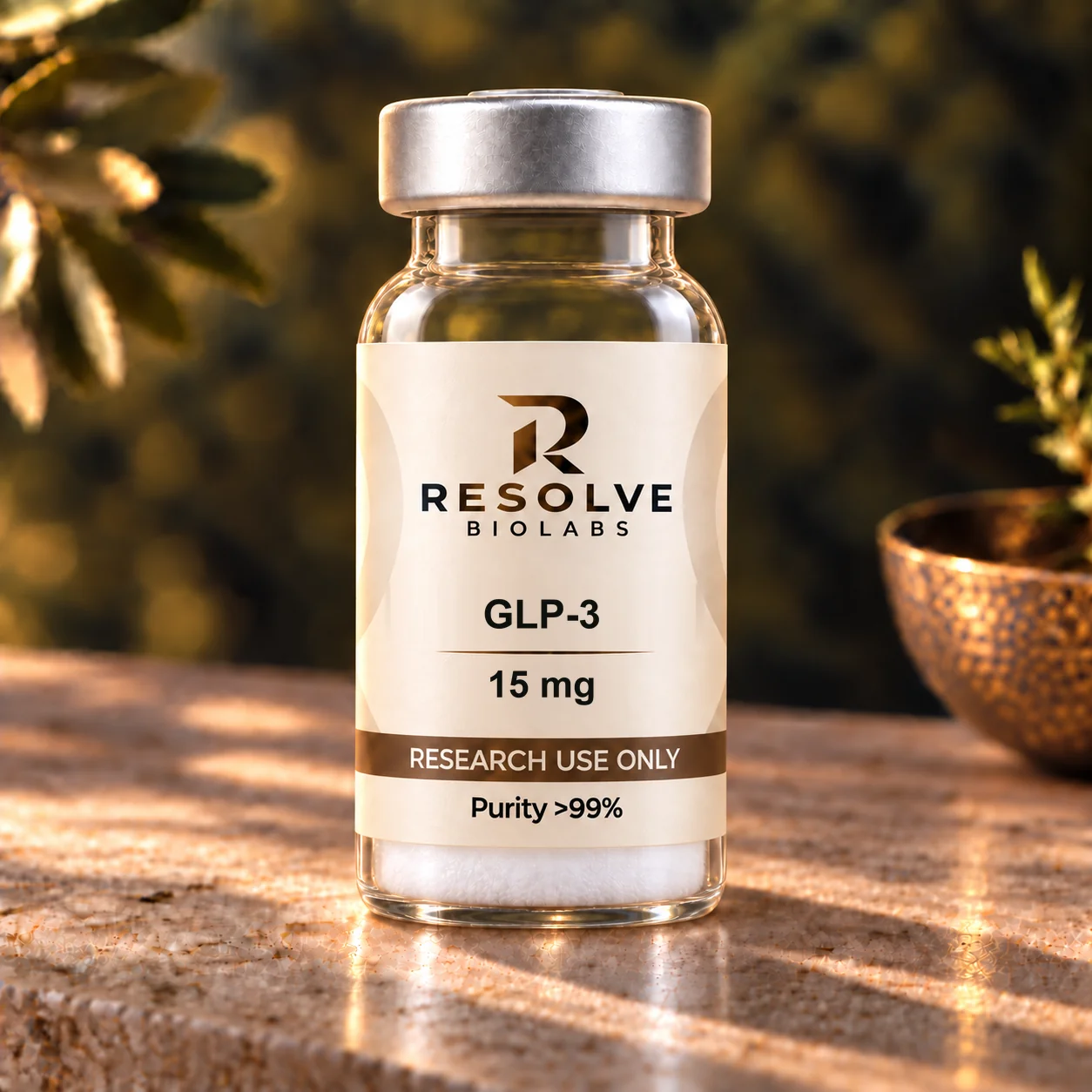
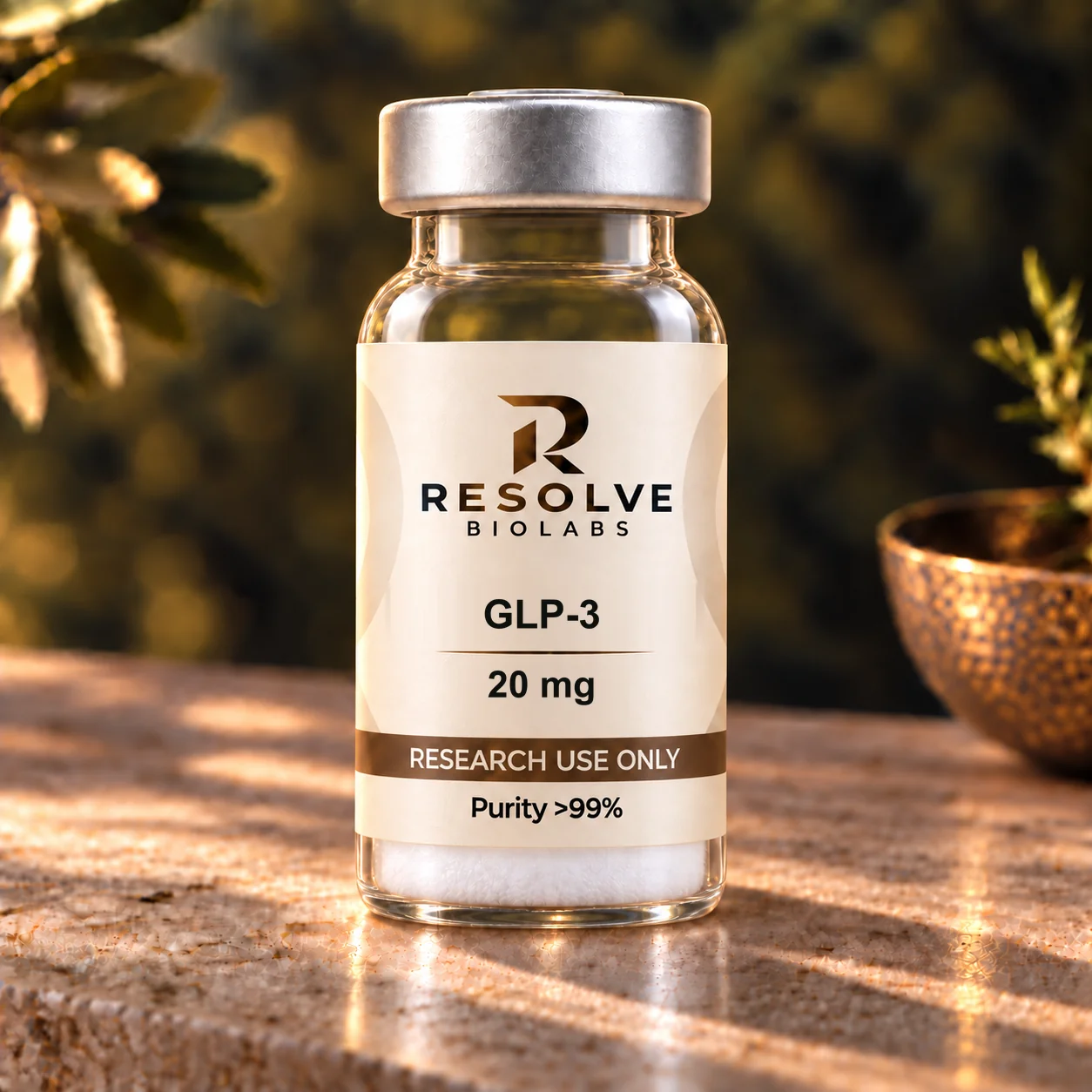
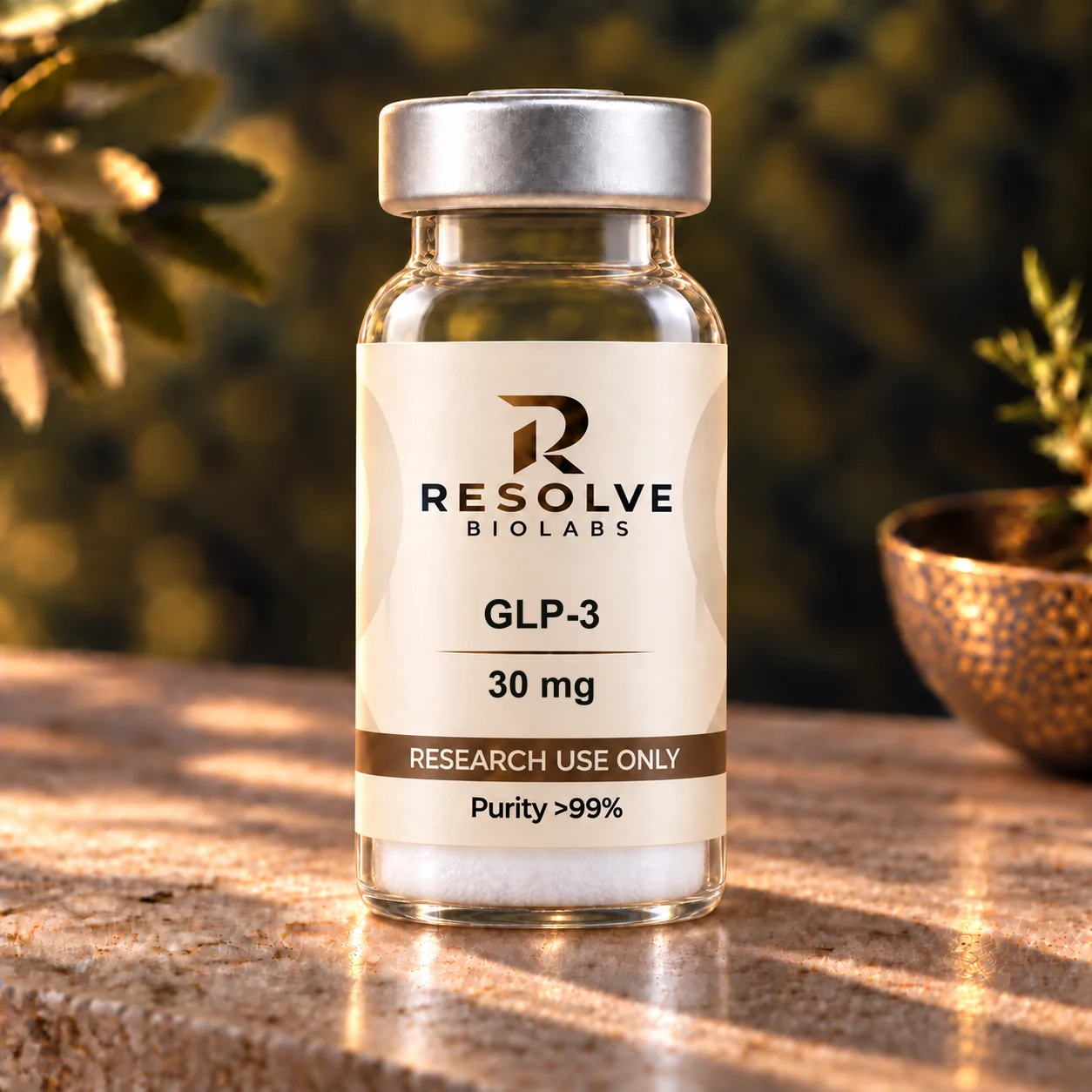
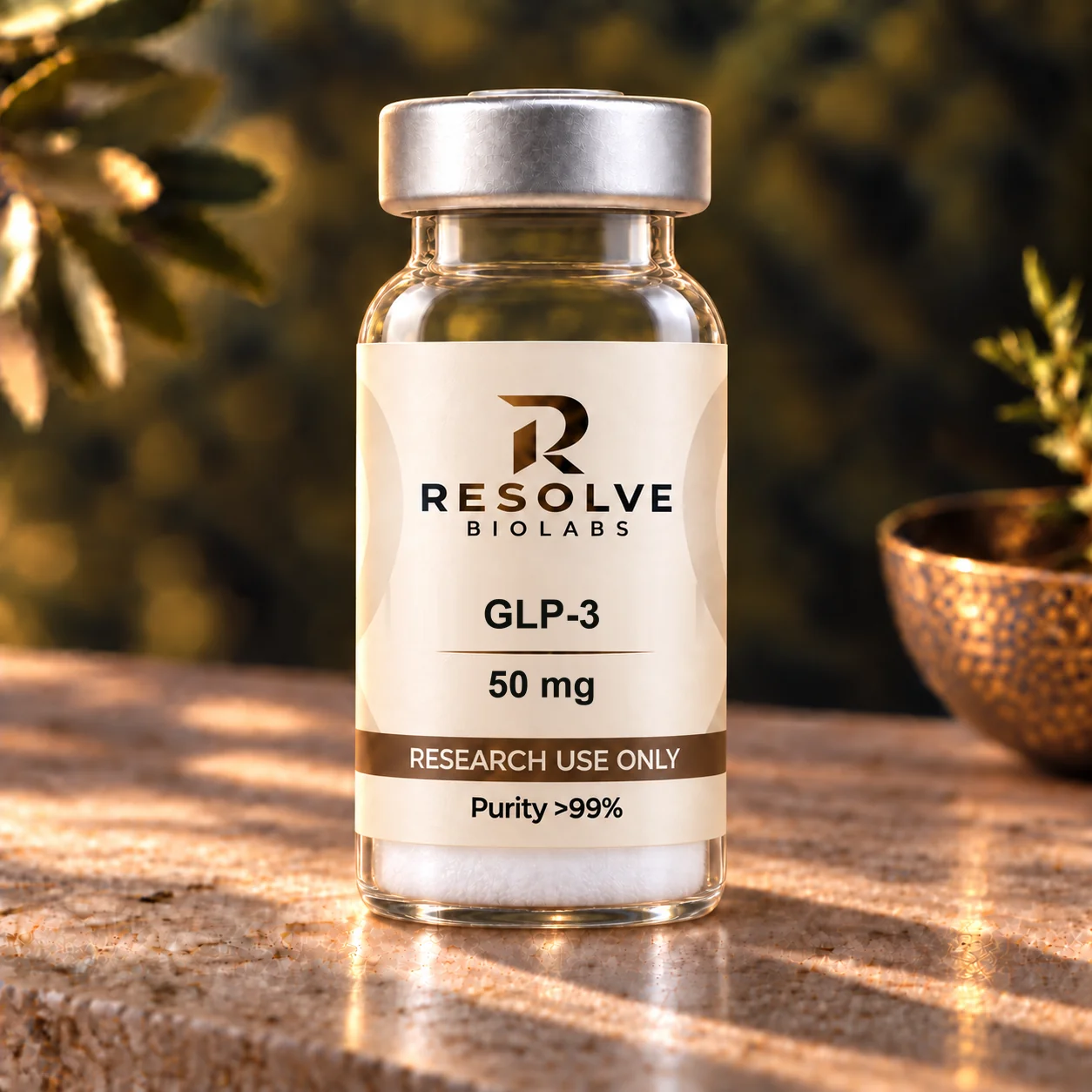
GLP-3 Vial
GLP-3 is a synthetic research peptide that acts on three receptors — GIP, GLP-1 and glucagon. Lyophilized vials from 5 mg to 50 mg.
Identity & storage
- CAS number
- 2381089-83-2 (retatrutide)
- Molecular weight
- 4731.33 g/mol
- Molecular formula
- C221H342N46O68
- Storage
- Keep the unopened vial sealed and protected from light and moisture. Follow the temperature instructions on the product label. After preparing a solution, follow your laboratory’s validated storage protocol.
Certificate of analysis View available reports and lot details
Product identification & intended use
SKU: RES-9917
For laboratory research use only. Not for human or veterinary use.
Description
GLP-3 is a synthetic research peptide that activates three hormone receptors at once — GIP, GLP-1 and glucagon — which is why it is often described as a triple agonist. Resolve BioLabs offers GLP-3 as a lyophilized powder in seven vial sizes from 5 mg to 50 mg, all.
What is GLP-3?
GLP-3 is a catalog name that refers to the compound’s three receptor targets: the glucose-dependent insulinotropic polypeptide (GIP) receptor, the glucagon-like peptide-1 (GLP-1) receptor and the glucagon (GCG) receptor. That triple-agonist profile is what separates it from the single-receptor GLP-1 and dual-receptor GLP-2 listings in the Resolve BioLabs catalog. A fatty-acid modification on the peptide extends its half-life in experimental systems.
There is no naturally occurring hormone called GLP-3; the name describes the research compound. It is not approved for human use.
GLP-3 specifications
| Catalog name | GLP-3 |
|---|---|
| Class | Synthetic peptide, triple receptor agonist |
| Receptor targets | GIP, GLP-1 and glucagon receptors |
| Form | Lyophilized powder |
| Strengths | 5, 10, 15, 20, 30, 40 and 50 mg per vial |
| Catalog reference | RES-9917 |
Research background
Laboratory interest in triple-agonist peptides centres on what adding glucagon-receptor activity does on top of GIP and GLP-1 signalling. Research compares triple agonists with single (GLP-1) and dual (GIP/GLP-1) agonists on energy expenditure, appetite-related signalling, insulin secretion and liver-fat measures in cell and animal models.
Researchers comparing incretin-class compounds also look at the oral, non-peptide GLP-1 receptor agonist orforglipron.
Choosing a vial size
Each size is the total amount of lyophilized peptide in one vial, from 5 mg to 50 mg. Once reconstituted, a peptide solution has a limited working life even when refrigerated, so matching the vial size to the amount a study will use soon after reconstitution reduces waste.
Format, storage and handling
Keep the unopened vial sealed and protected from light and moisture. Follow the temperature instructions on the product label. After preparing a solution, follow your laboratory’s validated storage protocol.
Testing and documentation
Available reports describe the samples tested. Match the compound, format, strength and lot identifier with your supplied label; a supplier report does not by itself verify current stock. See the report library.
Related research compounds
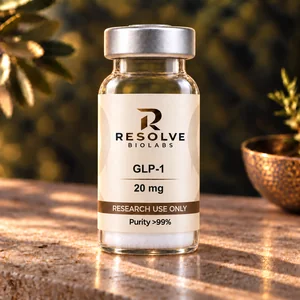
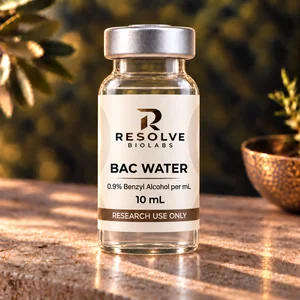
Other incretin-class listings: GLP-1 and GLP-2. Oral comparator: orforglipron capsules. Reconstitute with bacteriostatic water. Browse all peptide vials.
GLP-3 FAQ
What does GLP-3 mean?
It is a catalog name reflecting the compound’s three receptor targets — GIP, GLP-1 and glucagon. There is no natural GLP-3 hormone.
How is GLP-3 different from the GLP-1 and GLP-2 listings?
The GLP-1 listing acts on the GLP-1 receptor only; the GLP-2 listing acts on GIP and GLP-1 receptors; GLP-3 acts on GIP, GLP-1 and glucagon receptors.
Why are there so many vial sizes?
Each size is the total lyophilized peptide per vial, from 5 mg to 50 mg, so laboratories can match vial size to experiment size and reduce waste.
Is GLP-3 approved for human use?
No. It is sold for laboratory research only.
For laboratory research use only. Not for human or veterinary use. Not a drug, food, cosmetic or dietary supplement, and not intended to diagnose, treat, cure or prevent any disease.