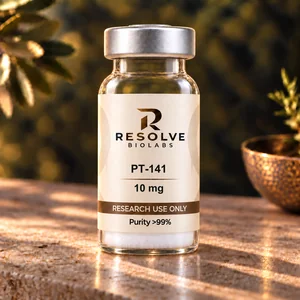
Peptide Vials
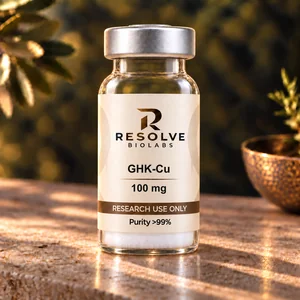
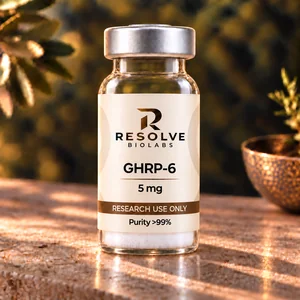
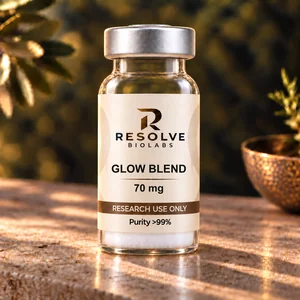
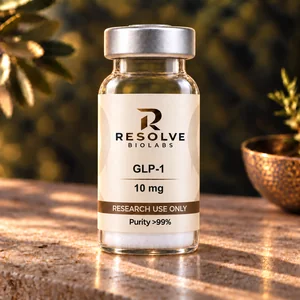
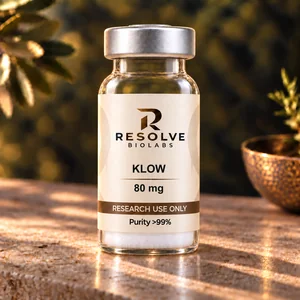
Resolve BioLabs peptide vials contain lyophilized (freeze-dried) research peptides, supplied as a dry powder in sealed glass vials. Every lot is third-party tested by HPLC and matched to a certificate of analysis. The range covers incretin-class compounds such as GLP-3, GLP-1 and GLP-2; growth hormone–axis peptides including sermorelin, tesamorelin, CJC-1295 and ipamorelin; tissue-research peptides such as BPC-157 and GHK-Cu; and multi-peptide blends like GLOW and KLOW. Most compounds come in several strengths, and bacteriostatic water is available for reconstitution.
Guide to peptide vials: lyophilization, choosing a strength, storage, testing and FAQ
What are lyophilized peptides?
Lyophilization, or freeze-drying, removes water from a peptide solution under low temperature and vacuum, leaving a stable dry powder or “cake” at the bottom of the vial. Peptides are far more stable in this dry state than in solution, which is why almost all research peptides are shipped lyophilized. Before use, a laboratory adds a measured volume of diluent to the vial to reconstitute it; the concentration is simply the peptide mass divided by the volume added.
Peptide vials by research area
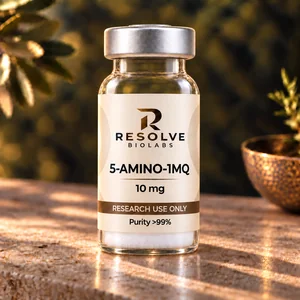
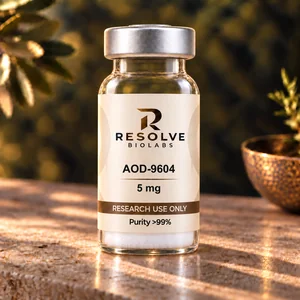
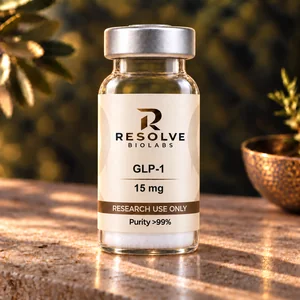
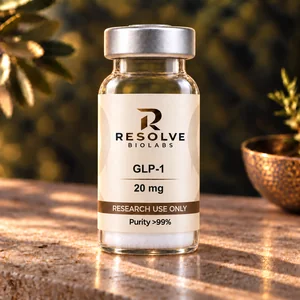
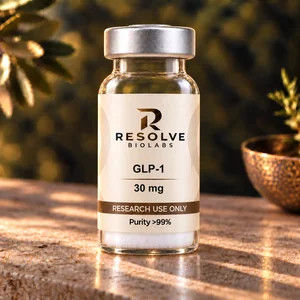
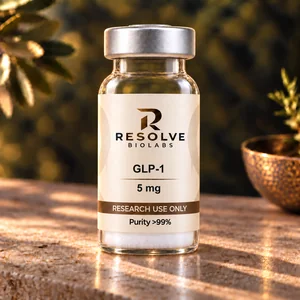
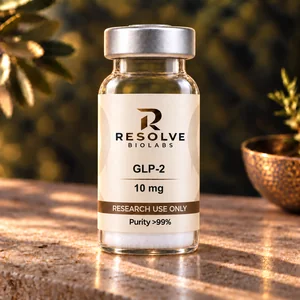
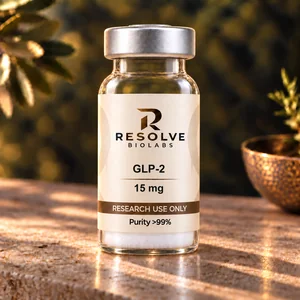
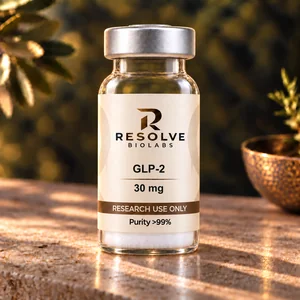
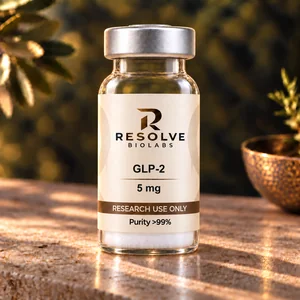
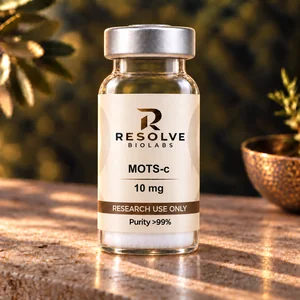
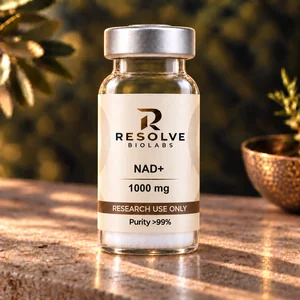
Incretin and metabolic research: GLP-3 (GIP/GLP-1/glucagon triple agonist), GLP-2 (GIP/GLP-1 dual agonist), GLP-1 (GLP-1 receptor agonist), MOTS-c, 5-Amino-1MQ, AOD-9604 and NAD+.
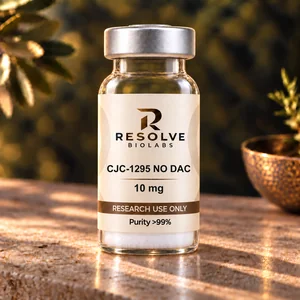
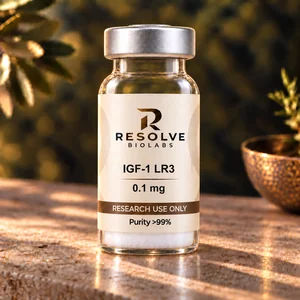
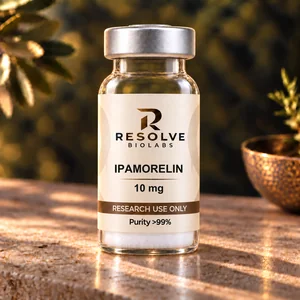
Growth hormone axis: sermorelin, tesamorelin, CJC-1295 No DAC, ipamorelin and IGF-1 LR3.
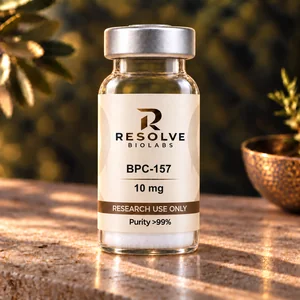
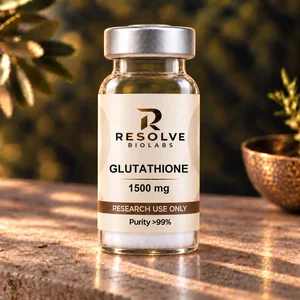
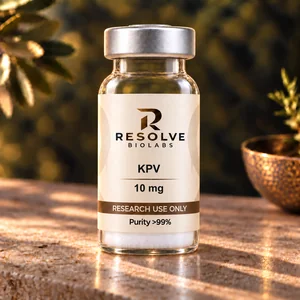
Tissue and skin research: BPC-157, the BPC-157 + TB-500 blend, GHK-Cu, KPV, GLOW, KLOW and glutathione.
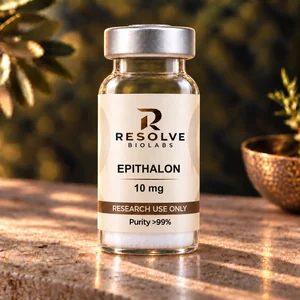
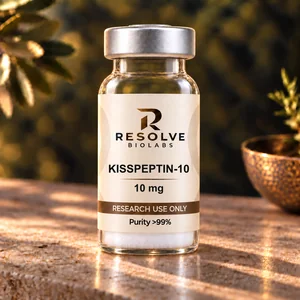
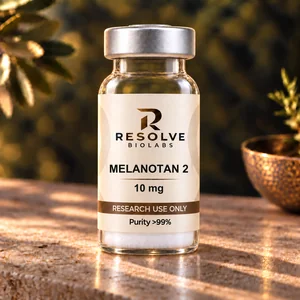
Other research peptides: Thymosin Alpha-1, Epithalon, Selank, Kisspeptin-10, Melanotan 2 and PT-141.
Choosing a vial strength
The strength on each vial (for example 5 mg or 10 mg) is the total amount of peptide inside, not a concentration. Once reconstituted, a peptide solution has a limited working life even when refrigerated, so the most efficient choice is usually the vial size your study will use up soon after reconstitution. Larger vials suit larger or longer studies; smaller vials suit pilot work and method development.
Storage and reconstitution
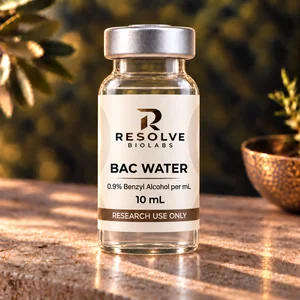
Keep unopened lyophilized vials cold, dry and out of direct light. Laboratories typically reconstitute with bacteriostatic water, adding it slowly down the inside wall of the vial and swirling gently rather than shaking, then keep the solution refrigerated. Always follow your own validated protocol and the conditions printed on the label.
Testing and certificates of analysis
Each Resolve BioLabs lot is third-party tested by HPLC for identity and purity. Search the COA and lab report library by product and match the product name, labeled strength and lot number to the vial you receive.
Peptide vials FAQ
Why are peptides sold as powder instead of liquid?
Peptides degrade much faster in solution. Freeze-drying keeps them stable during shipping and storage until the laboratory is ready to use them.
What do I need to reconstitute a vial?
A suitable diluent — most commonly bacteriostatic water — and your laboratory’s standard sterile technique.
What is the difference between vials, capsules and sprays?
Vials hold lyophilized powder for reconstitution. Peptide capsules hold pre-measured oral units, and peptide liquid sprays hold a ready-to-use liquid.
Are these products for human use?
No. All Resolve BioLabs products are sold for laboratory research use only.
Showing 1–30 of 35 results
-
-
-
-
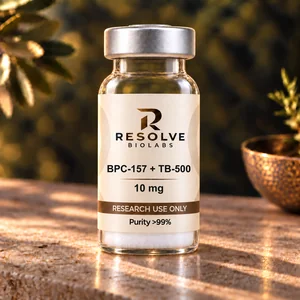
Vial
BPC-157 + TB-500 Blend Vial
20 mg, 10 mg per vial
View productFrom $59.99✓ In stock and ready to ship
-
-
-
-
-
-
-
-
-
-
-
-
-
-
-
-
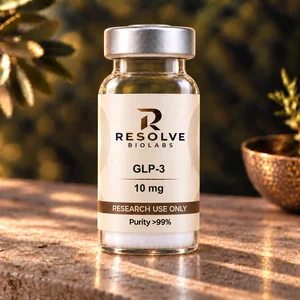
Vial
GLP-3 Vial
50 mg, 40 mg, 30 mg, 20 mg, 15 mg, 10 mg, 5 mg per vial
View productFrom $59.99✓ In stock and ready to ship
-
-
-
-
-
-
-
-
-
-